Rehabilitation7 min read
Why home exercises are hard to keep up, and what helps you stick with them
Many physio patients skip some of their home exercises. Here is what research says about why, and simple ways to keep going.
FiixBE Clinical Team
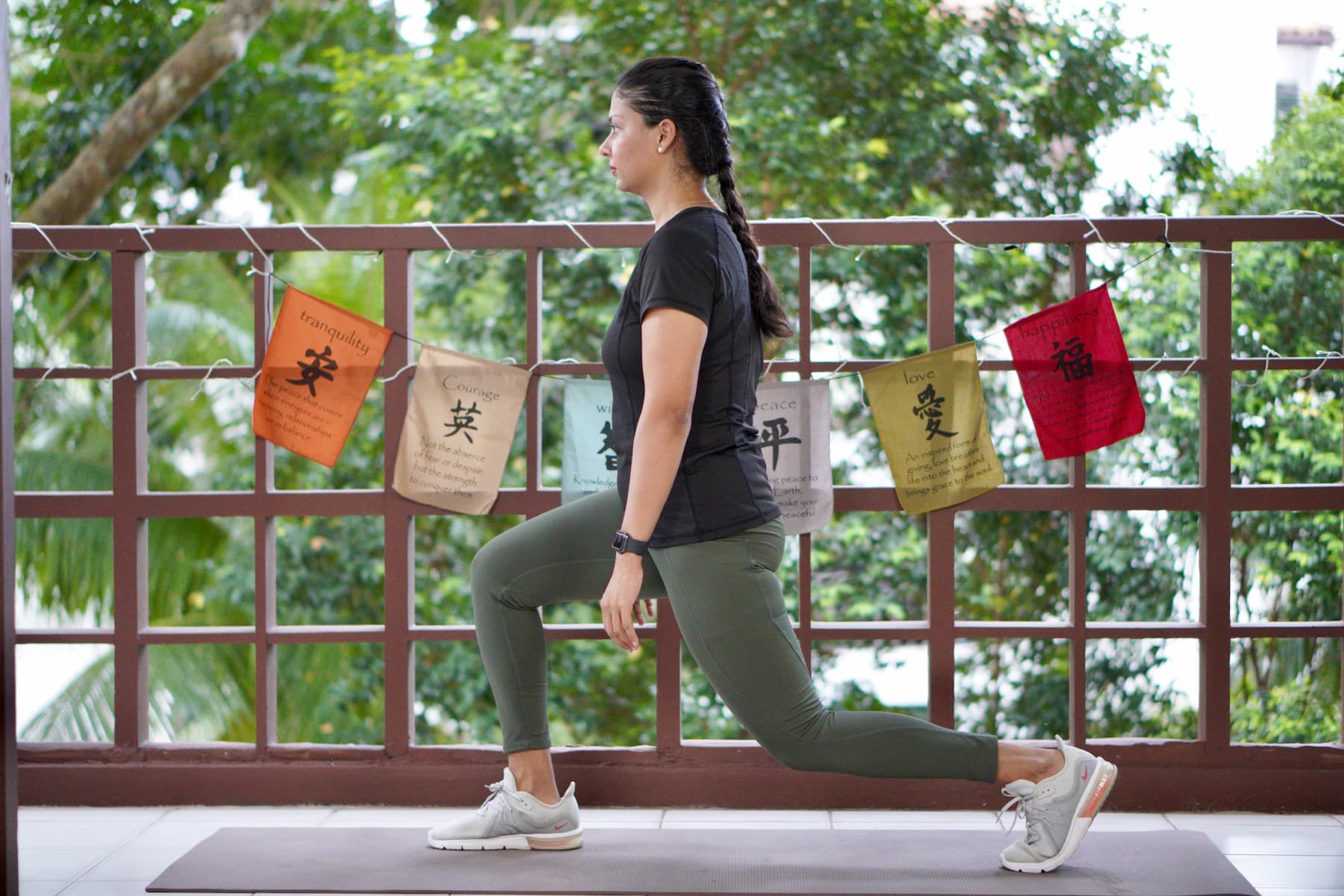
Your physiotherapist hands you a sheet of exercises. You leave the clinic feeling motivated. A week later, the sheet is somewhere under the newspapers, and you have done the exercises twice.
If that sounds like you, you are in good company. Sticking with home exercises is one of the hardest parts of recovery. This article looks at what research says about why people stop, and what actually helps them keep going.
How many people skip their exercises?
Nobody knows the exact number. Most studies ask patients to report what they did, and people forget or round up. Different studies also define "doing your exercises" in different ways.
Here is what the research does say:
- A 2018 review in JMIR mHealth and uHealth put non-adherence among people with muscle and joint problems at roughly 30 to 50%.
- A 2010 systematic review of physiotherapy outpatients quoted an older study suggesting non-adherence could be as high as 70%.
- A 2017 systematic review of home-based physical therapies also said non-adherence can reach 70%.
So a large share of patients do not do all of their home programme. The true figure depends on the condition, the person and how it is measured. You may have seen very precise numbers quoted online. We could not trace them to good evidence, so we do not repeat them here.
Does skipping exercises really slow recovery?
For many conditions, yes. One study followed 150 people with hip or knee osteoarthritis for five years. People who kept up their home exercises and stayed active had less pain and better physical function over time.
A Cochrane review of people with long-term pain in the spine or large joints made a similar point. Exercise helps these conditions, but poor adherence can limit its long-term benefit.
The link is not perfectly simple. In that Cochrane review, trials that improved adherence did not always show better pain or function. Still, your exercises cannot work if they stay on the sheet.
Why people stop
Stopping is rarely about laziness. Researchers have found clear patterns.
A 2010 systematic review looked at 20 high-quality studies of musculoskeletal patients. It found strong evidence that these factors made people less likely to keep going:
- Being less active before treatment started
- Low confidence in your ability to do the exercises
- Depression, anxiety or feeling helpless
- Little support from family or friends
- Seeing many barriers to exercise
- More pain during exercise
Other reviews add everyday reasons. People forget. They run out of time. The exercises do not fit into their daily routine. Too much information at once can also confuse people and make them less likely to follow the plan.
A 2017 review of home programmes looked at the other side. People were more likely to stick with their exercises when they meant to do them and felt motivated. Confidence and support from others helped too. People who had kept up exercise habits in the past also did better.
What helps you stick with your exercises
None of these ideas is a magic fix. Together, they make it much easier to keep going.
Ask for a short list
A long list can feel like a mountain. In one small study, older adults were given 2, 5 or 8 home exercises. People given 2 exercises performed them better than people given 8. The study was small, so treat it as a hint, not proof.
If your list feels too long, say so. Ask your physio which exercises matter most this week.
Get clear instructions you can look at later
A 2016 review found written exercise instructions were one of the more promising ways to improve adherence. The evidence was not yet strong. In the Cochrane review, supervised sessions, refresher sessions and take-home audio or video helped. Five of six trials that tested them showed better adherence.
Before you leave, check that you know how many repetitions to do, how long to hold, and how often. Ask if you can record a short video of yourself doing each exercise with your physio watching.
Attach exercises to something you already do
Forgetting is one of the most common reasons people stop. Link your exercises to a fixed part of your day. Do them after your morning tea, or before your evening walk. Set a phone reminder for the same time each day.
Keep a simple record
Tick a box on a calendar each time you finish a session. Self-monitoring is one of the approaches researchers have tested, and an activity monitor with feedback looked promising in a 2016 review. A paper calendar on the fridge works too.
Tell someone
Support from family, friends and your physio is linked with better adherence in several reviews. Ask someone at home to do the exercises with you, or simply to ask you each evening whether you did them.
Talk about pain early
Pain during exercise is one of the strongest barriers. Some discomfort is normal when you start. Sharp or rising pain is not something to push through.
NHS inform, Scotland's health information service, gives a simple guide for back and neck exercises. Rate your pain from 0 to 10:
- 0 to 3 is minimal pain
- 4 to 5 is acceptable pain
- 6 to 10 is too much
Aim to stay between 0 and 5 while you exercise. Your pain should be no worse the next morning. If it goes above 5, do fewer repetitions, move more slowly or rest longer between movements. Stop if the exercises make your symptoms worse or cause new pain, and tell your physio. Your physio's own instructions for your condition come first.
Make sure you are doing it right
It is hard to keep going when you are not sure you are doing an exercise correctly. Feedback helps here. One review notes that physiotherapists who gave positive feedback and monitored progress saw higher adherence. It also suggests that seeing proof you are doing an exercise correctly may boost both confidence and adherence.
Consider an app with support from your physio
In a 2017 trial, 80 people with muscle and joint problems were given a 4-week home programme. Half got a paper handout. Half got an app plus phone calls and motivational text messages. The app group reported better adherence and slightly better function. The difference was modest, and the researchers said its clinical importance was unclear.
The lesson is that tools help most when they sit alongside a person who knows your plan.
When to call your physiotherapist
Do not wait for your next appointment if:
- An exercise causes sharp pain, or your pain is worse the next morning
- You notice new numbness, tingling or weakness
- You are not sure how to do an exercise
- Your routine has changed and the plan no longer fits your day
- You are doing the exercises but feel you are not improving
Your physio can shorten the list, change an exercise or adjust the dose. A plan you can actually follow is better than a perfect plan you cannot.
A quiet word about FiixBE
FiixBE was built around this problem. Your physiotherapist writes your plan. You do it at home in front of your phone or laptop camera. FiixBE counts your reps and gives real-time feedback on your form. Each session is shared with your physio, so they can see how you are doing between visits. If that sounds useful, you can try it on the web today.
This article is general information, not medical advice. Talk to your physiotherapist or doctor before starting new exercises.
Sources
- Jack K et al. Barriers to treatment adherence in physiotherapy outpatient clinics: a systematic review. Manual Therapy, 2010
- Argent R, Daly A, Caulfield B. Patient involvement with home-based exercise programs: can connected health interventions influence adherence? JMIR mHealth and uHealth, 2018
- Essery R et al. Predictors of adherence to home-based physical therapies: a systematic review. Disability and Rehabilitation, 2017
- Peek K et al. Interventions to aid patient adherence to physiotherapist prescribed self-management strategies: a systematic review. Physiotherapy, 2016
- Jordan JL et al. Interventions to improve adherence to exercise for chronic musculoskeletal pain in adults. Cochrane Database of Systematic Reviews, 2010
- Pisters MF et al. Exercise adherence improving long-term patient outcome in patients with osteoarthritis of the hip and/or knee. Arthritis Care & Research, 2010
- Henry KD, Rosemond C, Eckert LB. Effect of number of home exercises on compliance and performance in adults over 65 years of age. Physical Therapy, 1999
- Lambert TE et al. An app with remote support achieves better adherence to home exercise programs than paper handouts in people with musculoskeletal conditions: a randomised trial. Journal of Physiotherapy, 2017
- Exercises for back pain (NHS inform, NHS 24 Scotland)