Hip rehabilitation8 min read
Hip replacement recovery: a complete guide for Indian patients
How to prepare your home, the first weeks after surgery, key exercises, hip precautions and a realistic recovery timeline for hip replacement.
FiixBE Clinical Team
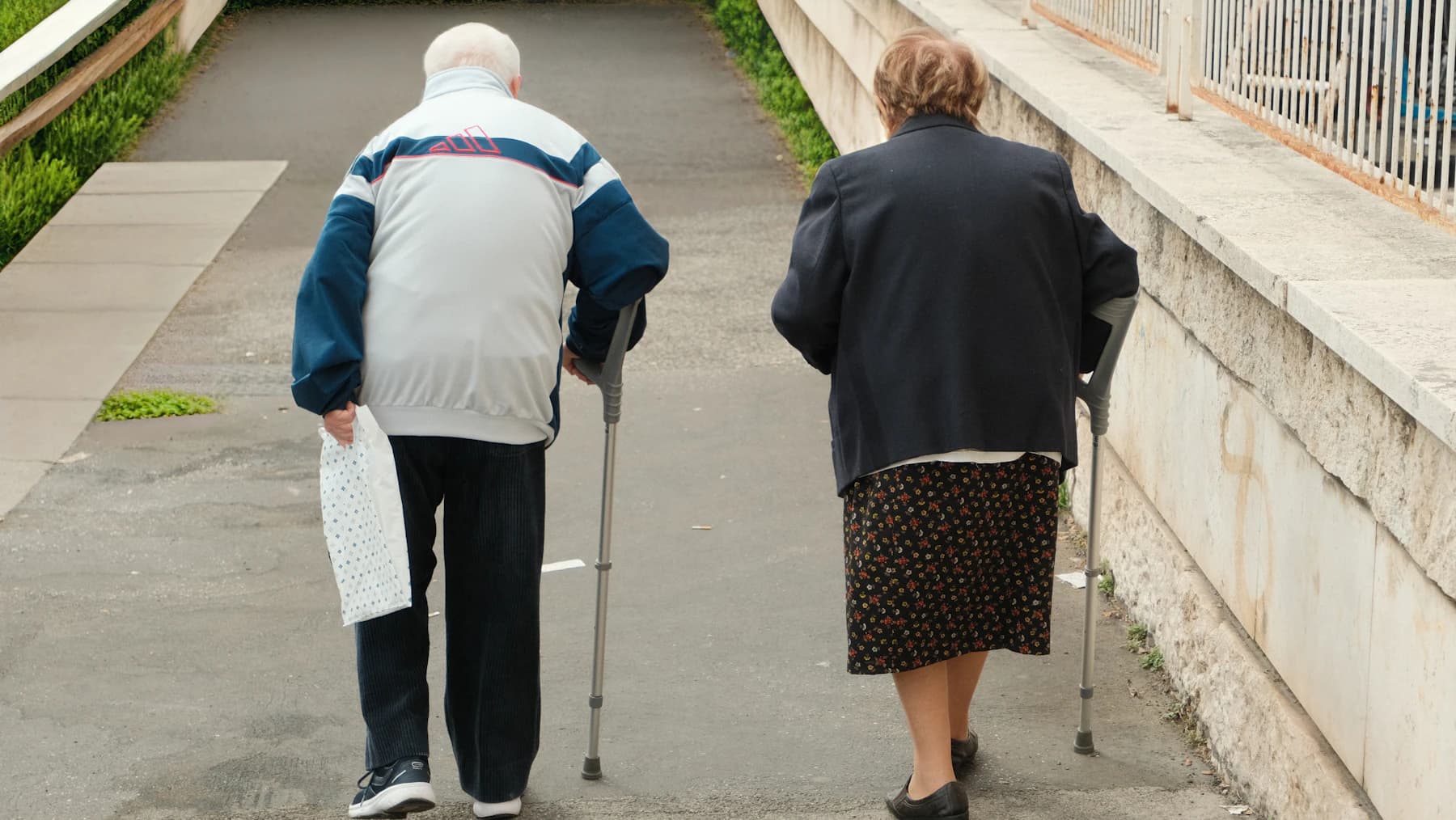
A hip replacement can take away years of arthritis pain. The recovery is mostly in your hands, and it starts before surgery.
Most hip guides assume Western toilets, high beds and chairs everywhere. Many Indian homes are different. This guide covers preparation, the first weeks, key exercises, hip precautions and a realistic timeline. Where your surgeon or physiotherapist says something different, follow them.
Before surgery
Start exercising now (prehab)
A 2022 review of 14 randomised trials looked at "prehab" before hip replacement. Exercise programmes improved how well people did after surgery on tests like rising from a chair, walking speed and climbing stairs. Education alone, without exercise, did not make a clear difference.
Ask your physiotherapist for a simple prehab plan.
Set up your home
The American Academy of Orthopaedic Surgeons (AAOS) and NHS hospitals suggest these changes:
- A stable chair with arms and a firm seat. The NHS advises against low chairs and chairs without arms. They are hard to stand up from.
- Seat height. One NHS hospital suggests your knees should be lower than your hips when you sit. Measure from the back of your knee crease to the floor and add about 2 inches (5 cm). That hospital uses this as the safe seat height.
- Clear floors. Remove loose rugs, mats and wires from the paths you walk.
- Bathroom safety. Fit grab bars in the bathing area. Use a stable shower chair.
- A reacher. It lets you pick things up without bending deeply.
- Kitchen and help. Keep everyday items at waist height. Arrange help with shopping, laundry and heavy housework.
Indian toilets and floor sitting
Squatting and floor sitting bend the hip a lot. In a study of 30 healthy Indian adults, squatting with heels flat needed about 95 degrees of hip bend on average. It varied a lot between people. Many hospitals ask you not to bend your new hip past 90 degrees in the early weeks.
The NHS advises against low toilet seats. Raised toilet seats are available. Before surgery, plan for this:
- If you only have an Indian-style toilet, ask your physio about a raised seat or a portable commode chair.
- Sleep on a bed, not a mattress on the floor.
- Use a chair for meals, prayer and watching TV for now.
Will you squat or sit cross-legged again? A 2022 study from Thailand followed 240 people after hip replacement. About 1 in 5 (22 percent) could sit on the floor at 6 months. The strongest link was being able to sit on the floor before surgery.
A 2026 study from China followed 152 older adults who were used to squat toilets. After hip replacement for a hip fracture, they were asked to use sitting toilets. On average, they got more used to sitting toilets over 6 months, and their quality of life scores went up. So the switch is possible, even if it feels strange at first.
Ask your surgeon when, or if, floor sitting and squatting are safe for your hip.
Plan for stairs
The AAOS notes that stairs are harder early on. If your bedroom is upstairs, consider a temporary room on the ground floor. Make sure every staircase has a secure handrail.
After surgery, go one step at a time. Remember "up with the good, down with the bad". Go up with your good leg first. Come down with your operated leg first, together with your crutch or stick.
The first weeks after surgery
In hospital
You may get up on the same day as your surgery. Physios help you walk, first with a walker and then with crutches. The NHS says most people go home 1 to 3 days after surgery. Before you leave, your physio or occupational therapist teaches you daily tasks and a home exercise plan.
At home
- Pain. The Royal Berkshire NHS leaflet says a moderate ache that settles quickly is fine. Severe pain that takes hours to settle is not. If you feel a sharp pain, stop the activity at once.
- Swelling. Leg swelling can last 3 months or more. Rest on your bed for an hour in the afternoon if your leg is very swollen.
- Walking. Take short walks often, rather than one long walk. Put your heel down first. Try to make both steps the same length. Pain at night can mean you overdid it.
- Stitches. A nurse usually removes stitches or clips after about 10 days.
Exercises for the first weeks
The Royal Berkshire leaflet suggests starting the day after surgery. Do at least 5 of each exercise, once or twice a day. If your pain and swelling do not increase, build up to 10 of each, 3 to 4 times a day.
Lying exercises
1. Ankle pumps
- Lie or sit with your legs straight.
- Pull your toes up, then point them away.
- Repeat several times.
The AAOS suggests these as often as every 5 to 10 minutes early on, to help prevent clots.
2. Buttock squeezes
- Lie on your back.
- Squeeze your buttock muscles together.
- Hold for a count of 5, then relax.
3. Quad sets
- Lie on your back with your legs straight.
- Pull your toes towards you.
- Tighten your thigh and push the back of your knee into the bed.
- Hold for 5 to 10 seconds, then relax.
4. Heel slides
- Lie on your back with your legs straight.
- Slide the heel of your operated leg towards your bottom. Keep the heel on the bed.
- Do not let your knee roll inward.
- Slide the heel back down.
If you have hip precautions, ask your physio how far you may bend.
5. Leg slides out to the side
- Lie on your back with both legs straight and toes pointing up.
- Slide your operated leg out to the side.
- Slide it back to the middle. Do not cross the midline.
Standing exercises
Start these once you feel steady. Hold a firm counter or heavy chair.
6. Standing knee raise. Lift your operated knee towards your chest, but no higher than your waist. Hold for 2 to 3 counts, then lower.
7. Standing side raise. Keep your toes pointing forward and your body upright. Lift your straight leg out to the side, then lower.
8. Standing leg back. Keep your back straight. Move your operated leg backwards, hold for 2 to 3 counts, then return.
Later, often around 6 to 8 weeks, your physio may add bridges, step-ups and balance work.
Hip precautions
Hip precautions are movement rules to lower the risk of dislocation. That is when the ball of the new joint slips out of its socket. The AAOS says this risk is greatest in the first few months, while the tissues heal.
Not everyone gets the same rules. The AAOS notes that your precautions depend on the surgical approach your surgeon used. Leeds Teaching Hospitals states that the surgeon decides whether you need them at all.
If you are given precautions, they often include:
- Do not bend your hip past 90 degrees (a right angle).
- Do not lift your knee higher than your hip.
- Do not cross your legs, or move the operated leg across the middle of your body.
- Do not twist your leg or your waist.
These usually last about 6 weeks, sometimes longer. Some hospitals also ask you to sleep on your back for the first 6 weeks.
The evidence here is changing. A 2020 review of 7 studies and 6,900 patients looked at the posterior approach (surgery from the back of the hip). Dislocation rates were 2.2 percent with precautions and 2.0 percent without. That difference was not significant. Still, many hospitals continue to use them. Do not drop any rule unless your surgeon says so.
A realistic recovery timeline
These rough guides come from NHS hospitals. Your pace may differ.
- Day 0 to 3: Walking with a walker, then crutches.
- Weeks 1 to 4: Daily exercises and short walks that slowly get longer. Tiredness is normal. Some people stop using aids indoors.
- Weeks 4 to 6: An exercise bike may be added. The NHS says wait at least 6 weeks before driving, and check with your doctor.
- Weeks 6 to 8: Many people walk without aids. A desk job is often possible around 6 weeks.
- 3 to 6 months: Light physical work, gardening and low-impact activities like dancing.
- 6 months: Back to most activities, except high-impact sports.
- 1 year: The Royal Berkshire leaflet expects you to be fully recovered by now.
The NHS says modern hip replacements are designed to last at least 15 years.
When to call your surgeon or physiotherapist
Call an ambulance (112 in India) straight away if you have:
- Sudden groin or thigh pain and you cannot put weight on your leg. This can mean a dislocation.
- Sudden shortness of breath or chest pain. This can mean a blood clot in the lung.
Contact your surgeon urgently if you have signs of infection:
- A fever that will not go away (above 100°F, about 37.8°C), chills or shivering
- Pus or fluid from the wound
- Increasing redness, tenderness or swelling around the wound
- Hip pain that gets worse both with activity and at rest
Contact your surgeon urgently if you have signs of a clot in your leg:
- Calf or leg pain not linked to your wound
- Tenderness, warmth or redness in your calf
- New or increasing swelling in your thigh, calf, ankle or foot
Tell your surgeon or physio if:
- Your hip clicks or pops with pain or swelling
- Swelling does not go down overnight or when you raise your leg
- Pain is getting worse instead of better
Doing your exercises at home
FiixBE lets you follow the plan your physiotherapist writes for you, at home, with your phone camera. It counts reps, checks joint angles and gives real-time form feedback, then sends each session to your physio. You can try it on the web today.
This article is general information, not medical advice. Talk to your physiotherapist or doctor before starting new exercises.
Sources
- Recovering from a hip replacement (NHS)
- Complications of a hip replacement (NHS)
- Total Hip Replacement (OrthoInfo, American Academy of Orthopaedic Surgeons)
- Total Hip Replacement Exercise Guide (OrthoInfo, American Academy of Orthopaedic Surgeons)
- Advice and exercises after a total hip replacement (Royal Berkshire NHS Foundation Trust, August 2025)
- Total hip replacement: a guide to your rehabilitation (Leeds Teaching Hospitals NHS Trust)
- Post hip replacement symptom checker (Dorset County Hospital NHS Foundation Trust)
- Widmer P et al. Effect of Prehabilitation in Form of Exercise and/or Education in Patients Undergoing Total Hip Arthroplasty on Postoperative Outcomes: A Systematic Review. Medicina, 2022
- Crompton J et al. Do hip precautions after posterior-approach total hip arthroplasty affect dislocation rates? A systematic review of 7 studies with 6,900 patients. Acta Orthopaedica, 2020
- Nawatthakul A et al. The ability and factors related with floor sitting after total hip arthroplasty with a posterolateral approach. Orthopedic Reviews, 2022
- Hemmerich A et al. Hip, knee, and ankle kinematics of high range of motion activities of daily living. J Orthop Res, 2006
- Zhao Y et al. The Effect of Changes in Defecation Posture on Health-Related Quality of Life Among Elderly Habitual Squat-Toilet Users After Total Hip Arthroplasty for Femoral Neck Fracture. Patient Preference and Adherence, 2026